Dementia Care Essentials: What to Try to find in a Memory Care Neighborhood
Business Name: BeeHive Homes of Henderson
Address: 1000 Greenway Rd, Henderson, NV 89002
Phone: (702) 551-0265
BeeHive Homes of Henderson
At BeeHive Homes of Henderson, Nevada, we offer the finest assisted living and memory care experience available in a cozy, comfortable homelike setting. Each of our residents has their own spacious room with an ADA approved bathroom and shower. We prepare and serve delicious home-cooked meals three times a day every day. We maintain a small, friendly community of only 20 residents per home. We provide regular activities that our residents find fun and contribute to their health and well-being. Our staff is attentive and caring and provides assistance with daily activities to our residents in a loving and respectful manner. We would like to invite you to tour and experience our memory care & assisted living home and feel the difference.
1000 Greenway Rd, Henderson, NV 89002
Business Hours
Choosing a memory care home is among those choices households delay up until they can not. A parent gets lost on a familiar street, a partner begins wandering during the night, or medications pile up with no clear routine. By the time you begin exploring, the stakes feel high and the window for careful study feels small. As someone who has actually assisted dozens of families make this move, I have actually discovered that the very best options hinge on details you can not always see at a glance. Floor plans and fresh paint matter far less than staff training, scientific coordination, and the day-to-day cadence of life on the unit.
This guide walks you through the basics of dementia care in a devoted memory care setting, from security engineering to end of life support. It shows you what to observe, which questions to ask, and where the tradeoffs lie when cost, area, and medical intricacy collide.
A focused meaning: what memory care is and is not
Memory care is a customized form of assisted living customized to people dealing with Alzheimer's disease and other dementias. It mixes residential support with structured dementia care practices. The neighborhood might be stand‑alone or a secured neighborhood within a bigger assisted living residential or commercial property. Homeowners have personal or semi‑private spaces, shared dining, and consistent staff who understand their histories and habits.
This is not a nursing home, though some communities run under the very same larger umbrella. Skilled nursing facilities offer 24 hour licensed nursing and manage more complicated medical requirements, consisting of post‑acute rehab. Memory care communities focus mainly on safety, meaningful engagement, assistance with daily routines, and behavior management in a residential environment. The line gets blurry when a resident's health requires intensify. Comprehending that border assists you choose a place that can manage your loved one's trajectory.
Safety ought to feel undetectable, not restrictive
Most households notice the keypad at the system door and stop there. Protected entry matters, but it is the discreet style options that keep individuals comfy and calm.
Good memory care style anticipates how a person with dementia relocations through area. Clear sightlines lower agitation. Corridors that loop back to a living area prevent dead ends that set off aggravation. Shadow boxes outside rooms with familiar pictures cue acknowledgment much better than door labels. Color contrast on floors and hand rails assists make up for depth understanding modifications. A secure, level outside courtyard provides a pressure valve for uneasyness, especially for individuals who paced avidly in earlier years.
I once visited 2 structures on the same afternoon: one had a stunning lobby and a locked door to memory care embeded back. The unit itself was narrow, with long, dim passages and no natural light. The 2nd had less frills out front however opened directly into an intense living-room with windows on 2 sides and a brief walk to a garden. A week after move‑in, the family in the second structure reported less exit looking for habits and more settled afternoons. Environment is not design, it is therapy.
Ask about innovation but see how it is utilized. Bed exit alarms that roar across the unit rarely aid; silent signals to staff phones coupled with purposeful rounding do. Door sensors that log events inform care strategies when examined weekly. GPS tracking in enclosed locations is not needed, but particular communities use wearable tags to understand patterns of movement during sundowning hours. The objective is not to monitor for the sake of it, rather to prevent patterns from becoming crises.
Staffing, training, and the rhythm of the shift
Caregivers make or break a memory care home. Look beyond raw staffing numbers and concentrate on fit for the work.
- Ratios: Common direct care ratios in memory care range from 1 to 5 to 1 to 8 during daytime hours and 1 to 8 to 1 to 12 over night, depending on state guidelines and building acuity. Ratios alone deceive. A system with 20 citizens may note 3 aides and one nurse, however if two aides drift to other floors or invest an hour on admissions, protection thins at the worst moments. Ask how they set up meal times, bathing, and activities to prevent everybody requiring assistance at once.
- Training: Individual centered dementia training need to not be a one time orientation. Strong programs offer an initial 8 to 16 hours specific to dementia care, plus quarterly refreshers, habits de escalation workshops, and hands on coaching on the flooring. Expect the language personnel usage. Do they say "behaviors" as an issue to be extinguished or as communication to be understood?
- Tenure and turnover: An unit with 3 or 4 anchor aides who have existed more than 2 years will feel different. Continuity minimizes agitation because routines stay predictable. Ask the manager how many first shift aides have worked there more than a year and what percentage of personnel are company employees. Periodic firm protection is typical. Chronic reliance signals problem with management or workload.
During a visit, see the cadence across a two hour window. Do personnel move with function but without hurrying? Are residents waiting wish for the bathroom or handover at shift modification? A good unit staggers meal seating, starts toileting rounds before transitions, and brings activities to people who do not start on their own. You must see a blend of group activities and peaceful one on one engagement, not simply television or music in the background.
Care preparation that actually guides the day
Every memory care home will reveal you a thick binder of care plans. The question is whether personnel utilize it as a living document.
A meaningful strategy catches a resident's life story and transforms it into everyday triggers. If your father once fixed carburetors and loved the odor of motor oil, the group may set up a weekly "shop" time with familiar tools and textures. If your mother cooked for 6 kids, the kitchen area can use safe preparation tasks, like shelling peas or setting napkins, so she stays engaged and happy. Excellent strategies also prepare for triggers. For somebody who worked night shifts, staff may enable a later morning and schedule a calming walk at sunset when uneasyness peaks.
Ask how the group reviews strategies. The best systems hold short, structured huddles every week to review one or two citizens whose requirements moved. They take a look at occurrence logs, hunger changes, and sleep patterns, then test small changes. Allergies and medication changes need to feed into the plan within 24 to 48 hours. If you hear that plans are reviewed quarterly just, anticipate a lag in between what you tell them and what occurs on the floor.
Clinical oversight and when a community ends up being the wrong level of care
Dementia does not take a trip alone. Diabetes, cardiac arrest, COPD, and chronic pain all show up on the same medication list. A strong memory care program builds scientific scaffolding around the person instead of bouncing them between silos.
Check which clinicians round on website. Some neighborhoods partner with home call doctors or nurse specialists who visit weekly or biweekly. Others rely on outdoors primary care, which can work if transportation and handoffs are smooth. On website or carefully affiliated rehab therapists, specifically occupational therapists with dementia experience, are a plus. A registered nurse on website throughout the day is common. Twenty four hour accredited nursing is less typical in assisted living and typically indicates a greater skill building.

Understand the limits that trigger a transfer to the health center or a relocate to competent nursing. For instance, repeated goal pneumonias, unrestrained seizures, or innovative wounds might exceed assisted living capacity. A frank conversation upfront avoids surprises later on. Ask how frequently citizens are sent for avoidable problems, such as dehydration or medication errors, and what the group learned from those events.
Medication management is worthy of unique attention. Antipsychotic usage for dementia associated habits must beware, time restricted, and tied to clear goals, with non drug strategies first. If you see a high portion of citizens drowsy in the afternoon or slumped at meals, that can signify over sedation. On the other hand, judicious pain management frequently improves agitation and movement. A great nurse will speak about step-by-step approaches and regular deprescribing reviews.
Activities that serve the individual, not the calendar
A posted calendar full of events looks reassuring. What matters is whether people with various levels of cognition can access meaningful engagement throughout the day.
I look for three layers. First, predictable anchors like breakfast at consistent times, a morning stretch, and music or storytelling after lunch. Second, flexible stations in typical spaces that welcome use without guideline, such as memory boxes, sorting trays, art products, and tactile items. Third, BeeHive Homes of Henderson senior care customized minutes placed into day-to-day care, like singing a resident's preferred song while assisting with dressing or strolling the long corridor to "check the mail" for someone who once provided letters.
Beware one size fits all activities that over stimulate. A loud trivia game may delight a subset and exhaust others. A much better approach is small groups tailored to sensory tolerance. You ought to also see engagement on weekends and nights, not just throughout service hours when households tour.
Dining, hydration, and the psychology of meals
Nutrition slips not only because of hunger modifications but likewise since of executive function. A lot of utensils or options can immobilize a person with dementia. Neighborhoods that do meals well streamline table settings, plate food with strong contrast for visual hints, and offer finger foods for homeowners who have difficulty with flatware. Hydration is constructed into the day with noticeable, enticing options, not simply a water pitcher on a cart.
I worked with a resident who had actually lost ten pounds in two months before moving into memory care. In the house, supper got here on a crowded tray. In the neighborhood, the team switched to two smaller courses in series and provided a familiar mug of warm tea at the start. She began completing 75 to 100 percent of meals and stabilized within four weeks. No magic, just minimized cognitive load and a social setting that nudged her to start.
Ask the cooking area to serve you a meal. Browse the space at speed and support levels. Are assistants seated at eye level utilizing hand over hand triggers, or standing behind homeowners in a rush? Are adaptive utensils and plate guards offered? Does the menu change for cultural and spiritual choices, and does the structure accommodate physician bought diet plans without turning every plate into something unrecognizable?
Family partnership and communication that respects time and emotion
Families carry the story. The very best memory care teams tap that knowledge early and keep listening. You ought to expect a structured consumption meeting within the first week, an one month review after move‑in, and arranged care conferences 2 to 4 times each year or regularly if requirements alter. Outside those meetings, communication should be predictable and specific. A fast weekly update by phone or email can go a long method. Daily messages about small problems often overwhelm and trigger anxiety.
Clarify how the group escalates concerns. For instance, if your mother falls without injury, will you hear instantly or at the end of the day? What makes up a middle of the night call? Functions should be clear, too. The nurse manages medical updates. The life enrichment director shares engagement highlights. The care supervisor collaborates appointments and transport. When families understand whom to call, little problems stay small.
Cost, agreements, and why the most affordable month can be the most pricey year
Memory care rates designs vary. Some charge an all inclusive monthly cost. Others layer care charges on top of space and board, typically in tiers or via a point system connected to support levels. A resident who requires cueing for dressing and medication reminders might sit in Level 2 today and Level 4 6 months from now. Ask for a written care level rubric with examples. If the neighborhood uses points, request for the present point overall and the thresholds for each tier.
Do not compare base leas alone. Envision 3 scenarios and price them throughout structures: today's requirements, a moderate boost in help like two person transfers or incontinence management, and a greater skill month with new habits, medical tracking, or hospice layering in. Consist of ancillary fees such as medication pass costs, transportation to offsite appointments, incontinence products, and cable television or internet. A community that looks pricier at baseline might cost less over 12 months if it manages escalations in home instead of defaulting to regular hospitalizations.
Ask about annual boosts. Common bumps run 3 to 7 percent, with some years greater when insurance or labor expenses rise. If you are browsing Medicaid or veterans benefits, comprehend eligibility and whether the building accepts those payers now or only after a private pay period.
Reducing relocations by preparing for what is coming next
People living with dementia frequently experience stepwise decreases rather than a smooth slope. Severe health problems, medication modifications, or environmental shifts can result in sharp drops in function. A proactive community plans for those inflection points. They work with hospice previously rather than later, so convenience focused assistance can layer in while a resident stays in familiar surroundings.
Ask how the structure manages 2 individual transfers, non weight bearing homeowners, and feeding assistance. A memory care unit that can bend to those needs prevents disruptive relocations. At the same time, a responsible director will name limitations. If your father establishes frequent aspiration with considerable weight reduction, the much safer option might be an experienced setting in spite of the disturbance. Sincerity builds trust.
Cultural fit, self-respect, and the little signals that add up
Dementia care is intimate work. Residents should have to keep their identity and choices, even as skills subside. Notification how staff address people. Do they utilize preferred names without diminutives unless invited? Do they knock and wait before going into spaces? Are clothing and grooming consistent with the person's design, not a generic standard?
Pay attention to diversity and addition. Do you see staff who speak your loved one's language or have translation assistance? Are holidays and foods culturally pertinent? If a resident is LGBTQ+, ask how the neighborhood protects privacy and fosters belonging. Among my former homeowners, a retired teacher, came alive when a caregiver generated poetry from his native nation and read for ten minutes after lunch. It cost nothing and indicated deep respect.
A brief field guide for tours
The best method to examine a memory care home is to stand quietly and view. If you can visit two times at different times, even much better. Utilize the list below to focus your attention without turning the visit into an interrogation.
- Ask to see the activity in action, not simply the calendar on the wall. Watch whether citizens engage and whether quieter people receive attention.
- Observe a mealtime for 15 minutes. Try to find dignified help, adaptive utensils, and a calm sound level.
- Talk with an assistant, not just the supervisor. Ask what training they had this year and how they get assistance when someone is distressed.
- Request the last three months of state survey summaries or quality audits and how the group fixed any deficiencies.
- Walk the outside area. Is it safe and secure, accessible, shaded, and utilized by residents during your visit?
Common red flags that should have a second look
Some indication are subtle. Others strike you as soon as you step off the elevator. If you come across any of these, decrease and ask more questions.
- High reliance on agency personnel with no clear strategy to hire irreversible caretakers, specifically on weekends and nights.
- Strong disinfectant or urine smells that continue across different hallways and times of day, recommending persistent housekeeping or continence care issues.
- Residents not dressed for the time of day or season, or multiple individuals in wheelchairs lined up at the nurses station with no engagement.
- Defensive responses to specific concerns about falls, elopements, or medication mistakes, rather than transparent conversation with data and finding out points.
- A locked unit with bad sightlines, no natural light, and no available outdoor location, which typically associates with greater agitation.
The relocation itself and the first six weeks
Even the best memory care neighborhood can not eliminate the stress of transition. Strategy the relocation for a time of day when your loved one tends to be calm. Bring familiar products that bring emotional weight: a preferred blanket, framed images, a well worn cardigan, a simple radio pre tuned to a cherished station. Work with staff to time arrival near a meal or activity so there is an immediate anchor.
Expect an adjustment period of two to six weeks. You might see more confusion at first as regimens reset. Withstand the desire to visit for long hours daily if it seems to intensify distress. Short, predictable visits often work better. Ask the group to call you with one positive story every couple of days, even if small. Those minutes remind everyone, including you, that progress in dementia care hardly ever looks linear but often looks meaningful.
When memory care is not the answer
Home care with a devoted caretaker can be the best setting for longer than numerous families assume, particularly if a spouse or adult kid collaborates and there is a safe environment with supervision. Adult day programs coupled with home support can bridge the middle phase. Conversely, for somebody with considerable medical intricacy, a proficient nursing facility with a secured memory unit may be safer and more sustainable than assisted living memory care.
There are edge cases. A person with frontotemporal dementia may be younger, physically strong, and show disinhibition that strains a traditional system. Look for communities with experience in early beginning cases and shows that channels energy securely. Somebody with co existing severe mental illness might need a closer link to psychiatric companies. Do not hesitate to ask very particular circumstance based questions. The right fit acknowledges the subtlety, not simply the diagnosis.
Final thoughts that guide a long lasting choice
A strong memory care program is not a set of amenities. It is a culture of attention. You will recognize it in the method the director understands each resident's backstory without glancing at a chart, in the aide who bends to eye level and waits 10 seconds for an action instead of hurrying the job, and in the nurse who calls you to say, "We attempted music before medications today, and it worked. Let us keep screening that."
If you come away from a tour sensation not just that the building is safe, but that the group is curious and modest, you have most likely discovered a great partner. When cost and area force tradeoffs, favor depth of training and management stability over decoration. Memory care rests on people, procedure, and location, because order. When those pieces align, residents suffer fewer preventable hospitalizations, families sleep much better, and daily life restores a rhythm that feels, if not like previously, a minimum of like itself.
BeeHive Homes of Henderson provides assisted living care
BeeHive Homes of Henderson provides memory care services
BeeHive Homes of Henderson provides respite care services
BeeHive Homes of Henderson supports assistance with bathing and grooming
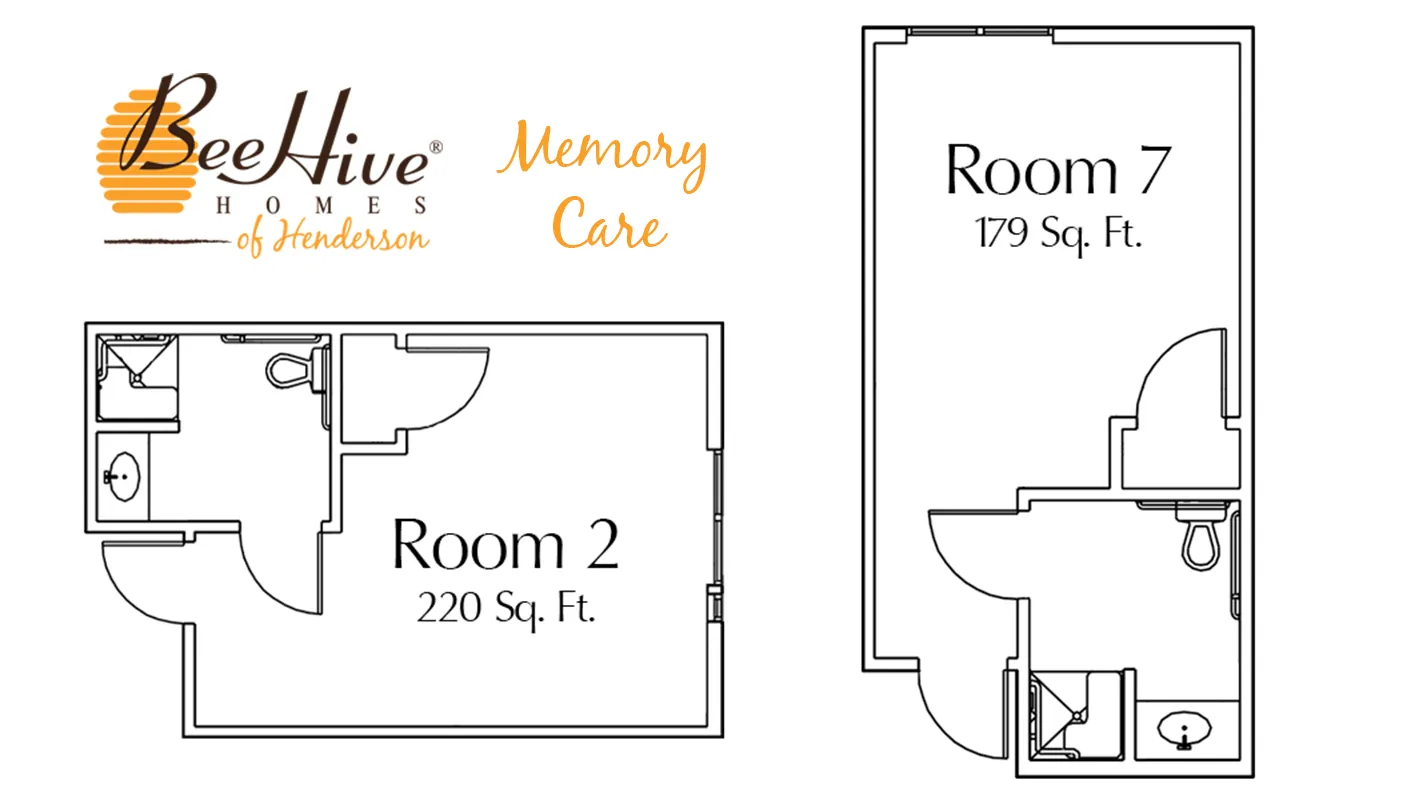
BeeHive Homes of Henderson offers private bedrooms with private bathrooms
BeeHive Homes of Henderson provides medication monitoring and documentation
BeeHive Homes of Henderson serves dietitian-approved meals
BeeHive Homes of Henderson provides housekeeping services
BeeHive Homes of Henderson provides laundry services
BeeHive Homes of Henderson offers community dining and social engagement activities
BeeHive Homes of Henderson features life enrichment activities
BeeHive Homes of Henderson supports personal care assistance during meals and daily routines
BeeHive Homes of Henderson promotes frequent physical and mental exercise opportunities
BeeHive Homes of Henderson provides a home-like residential environment
BeeHive Homes of Henderson creates customized care plans as residents’ needs change
BeeHive Homes of Henderson assesses individual resident care needs
BeeHive Homes of Henderson accepts private pay and long-term care insurance
BeeHive Homes of Henderson assists qualified veterans with Aid and Attendance benefits
BeeHive Homes of Henderson encourages meaningful resident-to-staff relationships
BeeHive Homes of Henderson delivers compassionate, attentive senior care focused on dignity and comfort
BeeHive Homes of Henderson has a phone number of (702) 551-0265
BeeHive Homes of Henderson has an address of 1000 Greenway Rd, Henderson, NV 89002
BeeHive Homes of Henderson has a website https://beehivehomes.com/locations/henderson/
BeeHive Homes of Henderson has Google Maps listing https://maps.app.goo.gl/qpZ3TKgbxCu1MVSh8
BeeHive Homes of Henderson has Instagram page https://www.instagram.com/beehivehomeshenderson/
BeeHive Homes of Henderson has an YouTube page https://www.youtube.com/@hamiltonshives4468
BeeHive Homes of Henderson won Top Assisted Living Homes 2025
BeeHive Homes of Henderson earned Best Customer Service Award 2024
BeeHive Homes of Henderson placed 1st for Senior Living Communities 2025
People Also Ask about BeeHive Homes of Henderson
What is BeeHive Homes of Henderson Living monthly room rate?
Our base rate is $4,700 per month for assisted living and $5,700 per month for memory care plus a one-time community fee of $2,500. We do an assessment of each resident's needs prior to move-in, so each resident's rate may be higher. These prices fall into three tiers based on resident needs and range from $4,700/month to $7,300/month. However, after we do the assessment and quote a price, there are no add-ons or hidden fees
Does Medicare and Medicaid pay for a stay at Bee Hive Homes?
Medicare pays for hospital and nursing home stays, but does not pay for assisted living. Some assisted living facilities are Medicaid providers but we are not. We do accept private pay, long-term care insurance, and we can assist qualified Veterans with approval for the Aid and Attendance program
Do we have a nurse on staff?
We do have a nurse on contract who is available as a resource to our staff but our residents' needs do not require a nurse on-site. We always have trained caregivers in the home and awake around the clock
What can you tell me about the food at Bee Hive?
You have to smell it and taste it to believe it! We use dietitian-approved meals with alternates available for flexibility, and we can accommodate needs for different textures and therapeutic diets. We have found that most physicians are happy to relax diet restrictions without any negative effect on our residents
Do we allow pets?
We do allow small pets as long as the resident is able to care for them. State regulations also require that we have evidence of current immunizations for any required shots
Where is BeeHive Homes of Henderson located?
BeeHive Homes of Henderson is conveniently located at 1000 Greenway Rd, Henderson, NV 89002. You can easily find directions on Google Maps or call at (702) 551-0265 Monday through Sunday 9:00am to 5:00pm
How can I contact BeeHive Homes of Henderson?
You can contact BeeHive Homes of Henderson by phone at: (702) 551-0265, visit their website at https://beehivehomes.com/locations/henderson/ or connect on social media via Instagram or Facebook
You might take a short drive to the Shan-Gri-La Prehistoric Park (aka the Dinosaur House). Shan Gri La Prehistoric Park provides a unique local attraction where families supporting loved ones through Assisted living memory care senior care elderly care and respite care can enjoy a memorable outing together.