A Family Members Guide to Picking the Right Memory Care Home
Business Name: BeeHive Homes of Henderson
Address: 1000 Greenway Rd, Henderson, NV 89002
Phone: (702) 551-0265
BeeHive Homes of Henderson
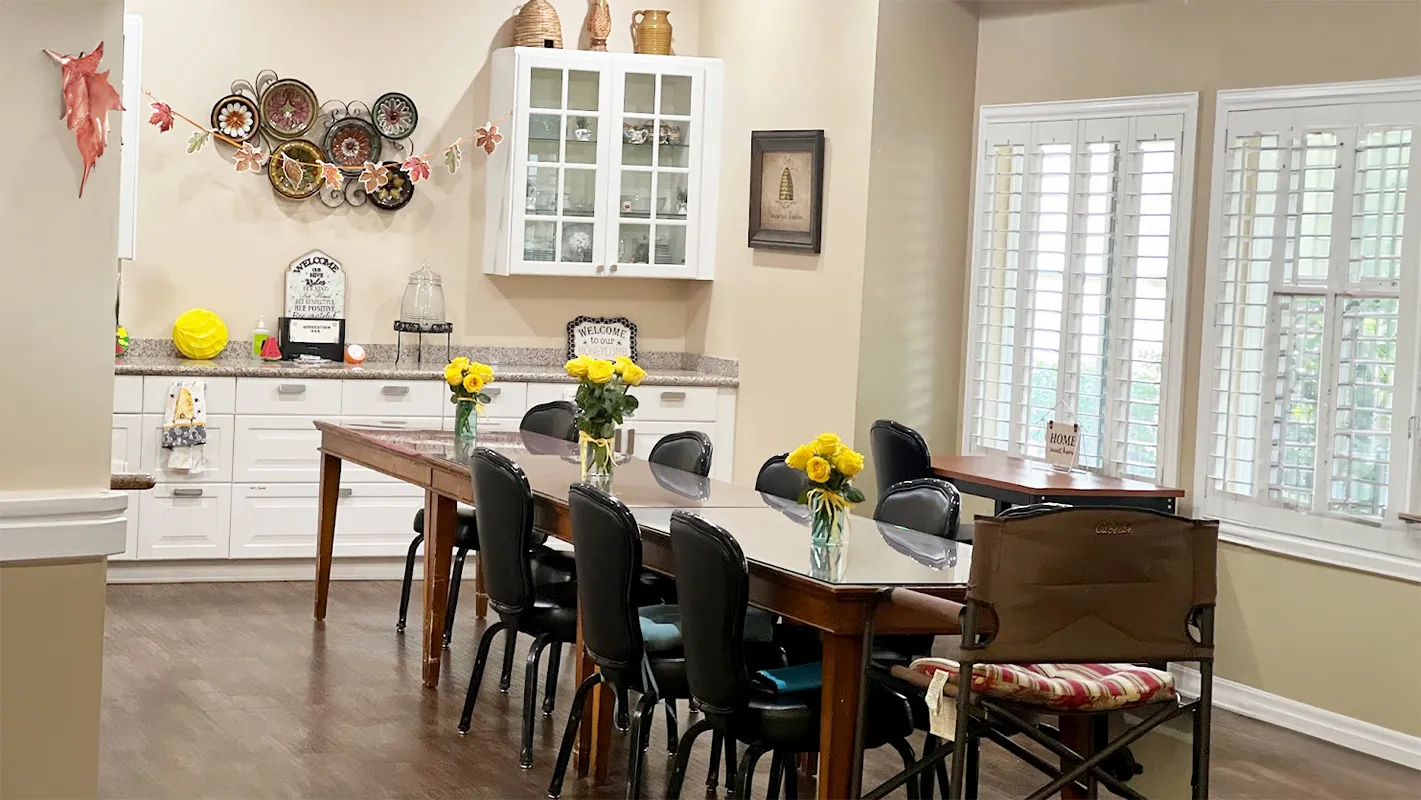
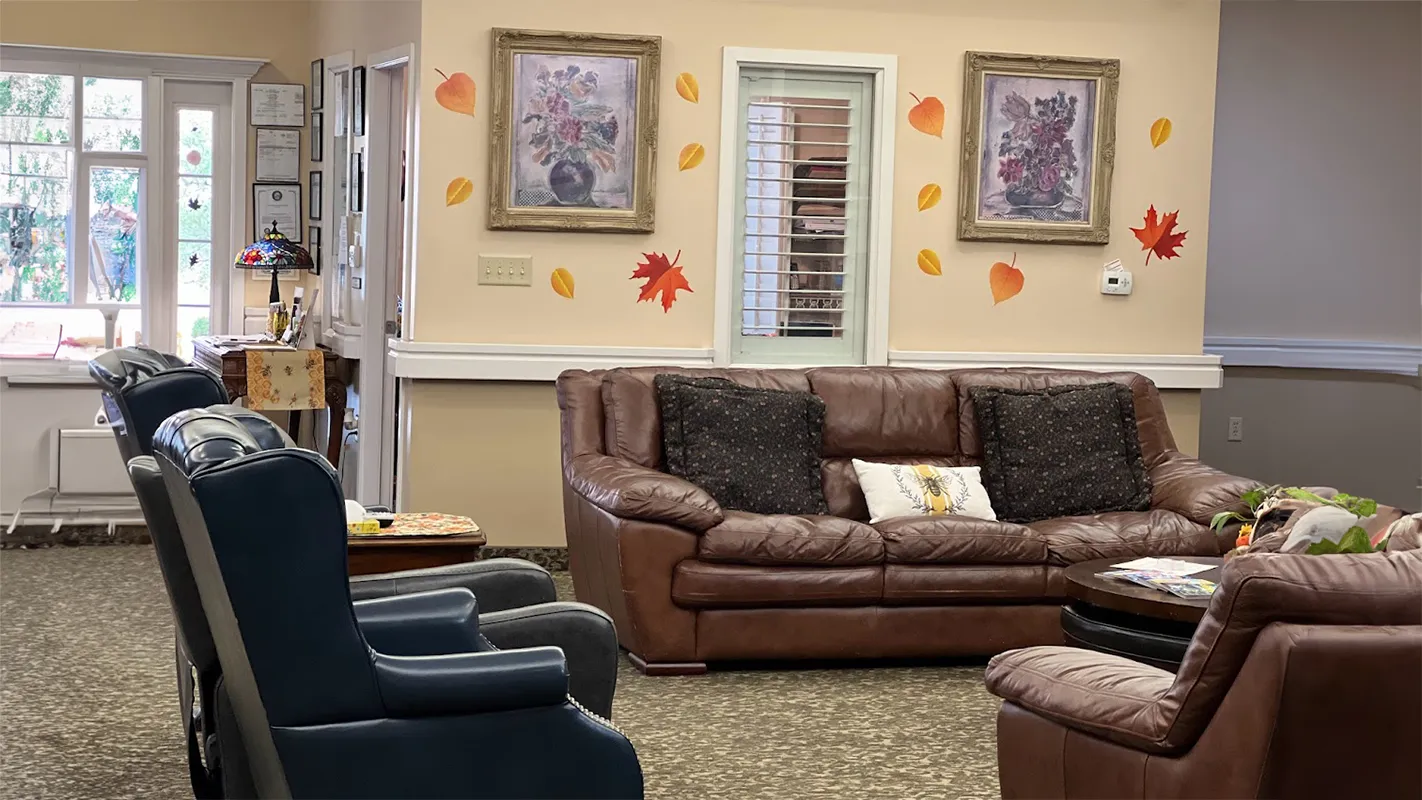
At BeeHive Homes of Henderson, Nevada, we offer the finest assisted living and memory care experience available in a cozy, comfortable homelike setting. Each of our residents has their own spacious room with an ADA approved bathroom and shower. We prepare and serve delicious home-cooked meals three times a day every day. We maintain a small, friendly community of only 20 residents per home. We provide regular activities that our residents find fun and contribute to their health and well-being. Our staff is attentive and caring and provides assistance with daily activities to our residents in a loving and respectful manner. We would like to invite you to tour and experience our memory care & assisted living home and feel the difference.
1000 Greenway Rd, Henderson, NV 89002
Business Hours
Choosing a memory care home is one of those decisions that rests hefty on the upper body. Family members typically get to it after months, in some cases years, of smaller concerns that slowly became difficult to ignore. A loved one starts missing dishes, straying at dusk, duplicating the same concern five times in memory care near me 10 minutes, or struggling to handle medications. What as soon as felt like a few forgetful moments becomes a pattern that affects safety, dignity, and the entire household.
The search can really feel individual in an excruciating way. You are not just contrasting layout or meal food selections. You are choosing where a person you like will wake up, receive aid, and invest their days. That is why finding the right memory care is not the same as choosing common senior living near me and even a typical assisted living community. Memory care has a different rhythm, a different staffing style, and a various understanding of exactly how dementia adjustments everyday life.
Families commonly start by typing memory care near me into a search bar and sensation bewildered by the outcomes. There are lots of appealing internet sites, lots of polished tours, and several comforting words. The tough component is discovering which details matter most, and which signs tell you a home is absolutely constructed for individuals living with amnesia rather than merely housing them.
What memory care is truly developed to do
Memory care is a specialized form of senior take care of people coping with Alzheimer's illness, dementia, or other cognitive impairments that influence memory, judgment, alignment, and behavior. An excellent community does much more than supply supervision. It develops a safer environment, even more consistent routines, and assistance that minimizes stress and anxiety for both the resident and the family.
That difference issues due to the fact that memory loss adjustments how a person experiences the globe. Bright hallways may really feel complicated instead of cheerful. A noisy dining-room can cause stress and anxiety. A rushed shower can lead to resistance or fear. A well-run memory care community comprehends these patterns and plans around them.
In practice, that implies safe entries and departures, personnel educated to redirect instead of say, dishes served in a predictable way, and activities that are straightforward enough to invite involvement without triggering frustration. It likewise suggests the care group expect small changes, such as a brand-new hesitation throughout clothing or a shift in appetite, because those information commonly signal bigger health and wellness issues.
Not every elder care setting offers this level of attention. Some areas make use of the phrase memory care freely, however the day-to-day technique might still look like general senior living. Family members should look past tags and ask exactly how the area in fact deals with roaming, sundowning, medicine support, showering, and habits changes.
Start with the individual, not the brochure
The best option usually starts with a truthful photo of your loved one's demands today, not the version of demands they had a year ago. I have seen households tour gorgeous communities only to understand later that they were buying the wrong level of assistance. A parent may still clothe themselves yet require tips for each meal. One more may be socially outward bound however confused by nighttime disruptions. A 3rd may be physically strong yet hazardous because they leave the cooktop on or walk out of your house unaccompanied.
Before you visit any type of memory care home, try to sort out 3 things: present daily abilities, behavior patterns, and medical problems. Just how much help is needed with showering, toileting, clothing, and eating? Are there drops, roaming episodes, or sundowning signs? Is there diabetes mellitus, Parkinson's condition, urinary incontinence, or another problem that makes complex care?
This is also the minute to think about whether the step is immediate or whether a short period of respite care can aid link the gap. Respite care can be a useful test if the household is not yet prepared to commit to a permanent relocation. A short stay gives every person a possibility to see how your loved one gets used to a new setup, exactly how personnel respond to behavior adjustments, and whether the area can meet needs without developing more distress.
The environment informs you greater than the advertising and marketing does
When you walk into a memory care home, pay attention to the feeling in the structure. Does it audio calmness, or does it resemble with alarms and hurried voices? Are locals engaged, relaxing, or simply being in rows? Do personnel talk with individuals by name and at eye level, or do they talk over them while checking clipboards?
One of the clearest indicators of a strong neighborhood is calm attention. A caregiver that kneels to make eye get in touch with, offers one easy selection instead of three, and waits on a reaction is revealing skill that pamphlets can not record. Individuals living with memory loss commonly react much better to mild cueing and repeating than to long explanations.
Look at the layout also. A thoughtful memory care setting is usually simple to navigate, with clear sightlines, less stumbling blocks, and signs that aid locals orient themselves. Excellent lights issues. So do different colors on wall surfaces, floors, and washroom components. These details might appear minor, however they can decrease complication and falls.
The outside space matters also. A safe courtyard, shaded path, or confined yard offers residents a chance to relocate, breathe fresh air, and feel the day change around them. That can be surprisingly basing for someone that feels dizzy indoors.
Staff training is the heart of the decision
If you keep in mind only one concern from your tours, make it this: exactly how is the team educated to support people with dementia? Training must not be an one-time orientation. Memory care works best when the team keeps learning exactly how to reply to anxiety, refusal of care, recurring inquiries, grief, and confusion.
Ask whether the area has a consistent staffing pattern. Individuals with dementia do far better when they see familiar faces. A revolving door of caretakers can enhance anxiousness and make trust much more challenging to develop. Ask just how the home manages call-outs, turn over, and overnight insurance coverage. These useful concerns reveal far more than a glossy activity calendar.
It is additionally worth asking who handles drug management and what happens when a resident declines medicine. A knowledgeable team will certainly clarify the procedure calmly and clearly. They ought to be able to inform you exactly how they communicate with doctors, exactly how they check for negative effects, and how they maintain families informed.
The finest neighborhoods discuss actions adjustments with self-respect. They do not identify somebody as challenging or a problem resident. They speak about unmet requirements, discomfort, dullness, concern, or sensory overload. That language tells you a great deal concerning the culture of care.
Questions that should have direct answers
Families in some cases wait to ask blunt inquiries because they do not intend to sound suspicious. In memory care, direct inquiries are proper. You are not being difficult. You are trying to protect somebody vulnerable.
Here are a couple of questions that should have clear, sensible solutions:
- How do you deal with straying, nighttime wakefulness, and exit-seeking behavior?
- What is your staff-to-resident ratio throughout the day and overnight?
- How do you sustain showering, toileting, and eating when a resident stands up to help?
- What training do caregivers obtain in dementia-specific communication and de-escalation?
- How do you include family members when a resident's condition changes?
These questions are useful because they surpass the sales pitch. A strong area will certainly not evade them. The solutions might not constantly sound ideal, however they ought to appear truthful, certain, and consistent.
Memory care is not one-size-fits-all
Some locals prosper in a smaller, quieter home-like setting. Others do better in a bigger area with more organized activities and a wider series of support. There is no universal solution, and families who think there is commonly end up frustrated.
For a resident who ends up being anxious in crowds, a smaller memory care area might really feel calmer and more secure. For somebody who still delights in social communication, music programs, team exercise, and regular outings may matter a lot. A person in the center stages of dementia may gain from a predictable day-to-day routine, while somebody with advanced needs might require extremely personalized cueing and a slower pace.
This is where elder care choices end up being much less about concept and more concerning character. A former instructor that loved conversation may wither in a silent atmosphere with little excitement. An exclusive, quickly overwhelmed parent may become tired in a busy setup that never stops relocating. The right home is one that sees the individual, not only the diagnosis.
Pay interest to meals, not just menus
Food is often ignored during trips, but it tells you a whole lot about how the area functions. Ask to see a dining room throughout a meal. Are locals being served in a calm and sensible method? Do staff members sit with citizens who need motivation? Is the food nutritionally sensible and enticing sufficient to eat?
In memory care, the way food is presented can make an actual distinction. Some residents do far better with finger foods or streamlined plates. Others require aesthetic hints or additional prompting. Thickened fluids, special diet plans, and swallowing concerns may additionally come into play.
If your loved one has actually reduced weight, has trouble acknowledging tools, or eats much better when food is warm and acquainted, mention that during your tour. Ask exactly how the kitchen area handles allergies, appearance adjustments, and choices. Great senior care must adjust to the resident, not anticipate the resident to adjust to the kitchen.
A home that talks thoughtfully about hydration, treats, and nourishment regimens is typically taking note of greater than looks. That matters greater than whether the dining room looks elegant.
Family involvement should really feel welcomed, not managed
The right memory care home treats family members as partners. That does not suggest family members control every decision, however it does suggest the community worths your understanding. You recognize the resident's routines, triggers, conveniences, and preferred tales. A strong care team desires that information.
Notice exactly how staff respond when you ask thorough questions or share a concern. Do they pay attention thoroughly, or do they hurry you along? Do they supply a clear call individual? Do they describe exactly how updates work, particularly if there is a modification in medication, state of mind, or mobility?
A family-friendly community will likewise be sensible about visitation. Some homes encourage versatile visits, while others develop even more organized times relying on the resident's requirements. What issues is transparency. Families do much better when assumptions are clear, especially during the modification duration after move-in.
If your family lives at a distance, ask just how the home manages call, email updates, and care conferences. Long-distance caregiving is simpler when the staff interacts regularly and without making you ferret out information.
Costs, contracts, and the fine print
Money talk is never pleasurable, but it is crucial. Memory care rates can differ widely based on place, care degree, room kind, and included solutions. Some communities bundle extra into the base rate, while others charge individually for medicine assistance, incontinence care, or higher degrees of guidance. Request a composed break down prior to making assumptions.
Read the agreement meticulously. Search for move-out conditions, price increase policies, and policies around altering care demands. Families are sometimes surprised to find out that a resident can be asked to relocate if they begin calling for even more care than the community can offer. That does not indicate the neighborhood is unkind. It implies you require to know the limitations in advance.
It is likewise worth asking what happens if a resident needs a temporary greater degree of support after hospitalization. Some memory care homes can take care of that transition efficiently. Others might not be outfitted for intricate recovery demands. If your loved one has constant clinical concerns, that inquiry must be high up on your list.
When people search for memory care near me, they commonly focus initially on cost. That makes sense. But the most inexpensive option is not constantly the best value if it causes stress and anxiety, frequent hospital visits, or a step a few months later. The genuine concern is whether the home can satisfy requirements constantly enough to shield health and wellness and stability.
Trial visits can disclose greater than a single tour
If possible, visit greater than once and at different times of day. A late-morning tour might look extremely various from the same home at dinner or during the late afternoon hours when some citizens become a lot more uneasy. If the community supplies a day visit, respite remain, or trial duration, make the most of it.
I have seen families find out more in one regular afternoon than in three polished tours. A resident that cheer up throughout songs treatment, a caretaker that gently redirects a baffled pedestrian, or a calm response to a toileting mishap can tell you a great deal about just how the home works under normal pressure.
During these visits, observe how your loved one responds. Do they appear calmer after strolling the halls? Do they smile when team talk with them? Do they expand agitated by noise, or do they settle when regimens come to be clear? Their response might not offer you a last response, yet it often directs you in the ideal direction.
Trust the practical signs
Families typically worry that they require to make an excellent selection. They do not. They need to make a thoughtful one. The ideal memory care home is normally the location where the useful signs line up. Personnel understand exactly how to connect without rising complication. The setting is safe without sensation sterilized. Meals, medicines, and routines are taken care of with consistency. Member of the family really feel notified rather than closed out.
Sometimes the most telling indication is straightforward alleviation. A son notifications that his mother is less anxious after lunch than she went to home. A child sees that her father no longer stresses each night due to the fact that the routine has ended up being foreseeable. A partner finally sleeps through the evening because somebody else is looking for roaming and falls. Those modifications matter.
It is also typical to really feel despair after deciding. Also when memory care is plainly the safest selection, there can still be guilt, second-guessing, and a feeling that you must have been able to manage longer. Those feelings prevail, and they do not mean you made the incorrect choice. They suggest you care.
What family members typically desire, under all the useful information, is assurance. They would like to know that their loved one is secure, seen, and treated with respect. The ideal home makes that possible. It will not eliminate the illness, and it will not fix every tough day, yet it can produce steadier ground for every person involved.
A final method to tighten the field
If you are still comparing options, take notice of the homes that answer questions simply, describe their routines without hurrying, and treat the details of daily life as seriously as the medical ones. That is where great memory care dawns. Not in the pamphlet images, but in the method a caretaker provides aid, the means a dining-room really feels at lunch, and the method a household is invited into the process.
A thoughtful choice requires time, and it should. When you are searching for memory care, you are not only looking for a secure address. You are seeking a place that can fulfill complication with patience, fear with structure, and family members stress with steady, respectful interaction. That sort of home is worth the initiative it requires to find.
BeeHive Homes of Henderson provides assisted living care
BeeHive Homes of Henderson provides memory care services
BeeHive Homes of Henderson provides respite care services
BeeHive Homes of Henderson supports assistance with bathing and grooming
BeeHive Homes of Henderson offers private bedrooms with private bathrooms
BeeHive Homes of Henderson provides medication monitoring and documentation
BeeHive Homes of Henderson serves dietitian-approved meals
BeeHive Homes of Henderson provides housekeeping services
BeeHive Homes of Henderson provides laundry services
BeeHive Homes of Henderson offers community dining and social engagement activities
BeeHive Homes of Henderson features life enrichment activities
BeeHive Homes of Henderson supports personal care assistance during meals and daily routines
BeeHive Homes of Henderson promotes frequent physical and mental exercise opportunities
BeeHive Homes of Henderson provides a home-like residential environment
BeeHive Homes of Henderson creates customized care plans as residents’ needs change
BeeHive Homes of Henderson assesses individual resident care needs
BeeHive Homes of Henderson accepts private pay and long-term care insurance
BeeHive Homes of Henderson assists qualified veterans with Aid and Attendance benefits
BeeHive Homes of Henderson encourages meaningful resident-to-staff relationships
BeeHive Homes of Henderson delivers compassionate, attentive senior care focused on dignity and comfort
BeeHive Homes of Henderson has a phone number of (702) 551-0265
BeeHive Homes of Henderson has an address of 1000 Greenway Rd, Henderson, NV 89002
BeeHive Homes of Henderson has a website https://beehivehomes.com/locations/henderson/
BeeHive Homes of Henderson has Google Maps listing https://maps.app.goo.gl/qpZ3TKgbxCu1MVSh8
BeeHive Homes of Henderson has Instagram page https://www.instagram.com/beehivehomeshenderson/
BeeHive Homes of Henderson has an YouTube page https://www.youtube.com/@hamiltonshives4468
BeeHive Homes of Henderson won Top Assisted Living Homes 2025
BeeHive Homes of Henderson earned Best Customer Service Award 2024
BeeHive Homes of Henderson placed 1st for Senior Living Communities 2025
People Also Ask about BeeHive Homes of Henderson
What is BeeHive Homes of Henderson Living monthly room rate?
Our base rate is $4,700 per month for assisted living and $5,700 per month for memory care plus a one-time community fee of $2,500. We do an assessment of each resident's needs prior to move-in, so each resident's rate may be higher. These prices fall into three tiers based on resident needs and range from $4,700/month to $7,300/month. However, after we do the assessment and quote a price, there are no add-ons or hidden fees
Does Medicare and Medicaid pay for a stay at Bee Hive Homes?
Medicare pays for hospital and nursing home stays, but does not pay for assisted living. Some assisted living facilities are Medicaid providers but we are not. We do accept private pay, long-term care insurance, and we can assist qualified Veterans with approval for the Aid and Attendance program
Do we have a nurse on staff?
We do have a nurse on contract who is available as a resource to our staff but our residents' needs do not require a nurse on-site. We always have trained caregivers in the home and awake around the clock
What can you tell me about the food at Bee Hive?
You have to smell it and taste it to believe it! We use dietitian-approved meals with alternates available for flexibility, and we can accommodate needs for different textures and therapeutic diets. We have found that most physicians are happy to relax diet restrictions without any negative effect on our residents
Do we allow pets?
We do allow small pets as long as the resident is able to care for them. State regulations also require that we have evidence of current immunizations for any required shots
Where is BeeHive Homes of Henderson located?
BeeHive Homes of Henderson is conveniently located at 1000 Greenway Rd, Henderson, NV 89002. You can easily find directions on Google Maps or call at (702) 551-0265 Monday through Sunday 9:00am to 5:00pm
How can I contact BeeHive Homes of Henderson?
You can contact BeeHive Homes of Henderson by phone at: (702) 551-0265, visit their website at https://beehivehomes.com/locations/henderson/ or connect on social media via Instagram or Facebook
Visiting the Hidden Falls Park & Amargosa Trailhead provides trails and outdoor recreation where families supporting loved ones through Assisted living memory care senior care elderly care and respite care can spend quality time together.